trade show lead generation
Trade Show Lead Generation: Turning Visitors into Sales Opportunities
Trade show lead generation begins with a useful conversation and a clear next step. A badge scan records that someone visited; it does not explain what they need or whether your team can help. Design the stand experience and the capture process together so that the follow-up team receives usable context.
Agree what a relevant enquiry looks like
Before the fair, identify the customer types, applications and needs the team can serve. Decide which situations require a technical discussion, a quotation, a distributor conversation or a later introduction. A visitor outside the target profile may still deserve a helpful response, but the sales team should know how to route that enquiry.
Set outcomes that reflect your objective, such as product discussions with a defined application, meetings with existing accounts or agreed demonstrations. Report these separately from general visitors and contact records.
Give people a reason to stop
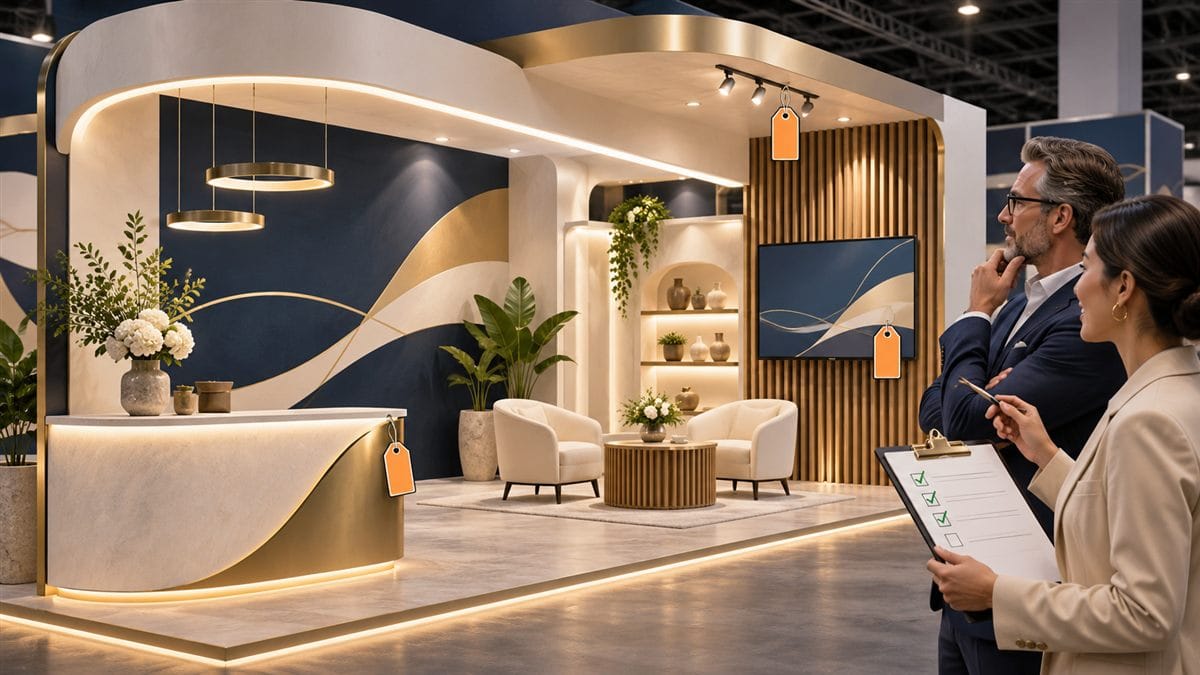
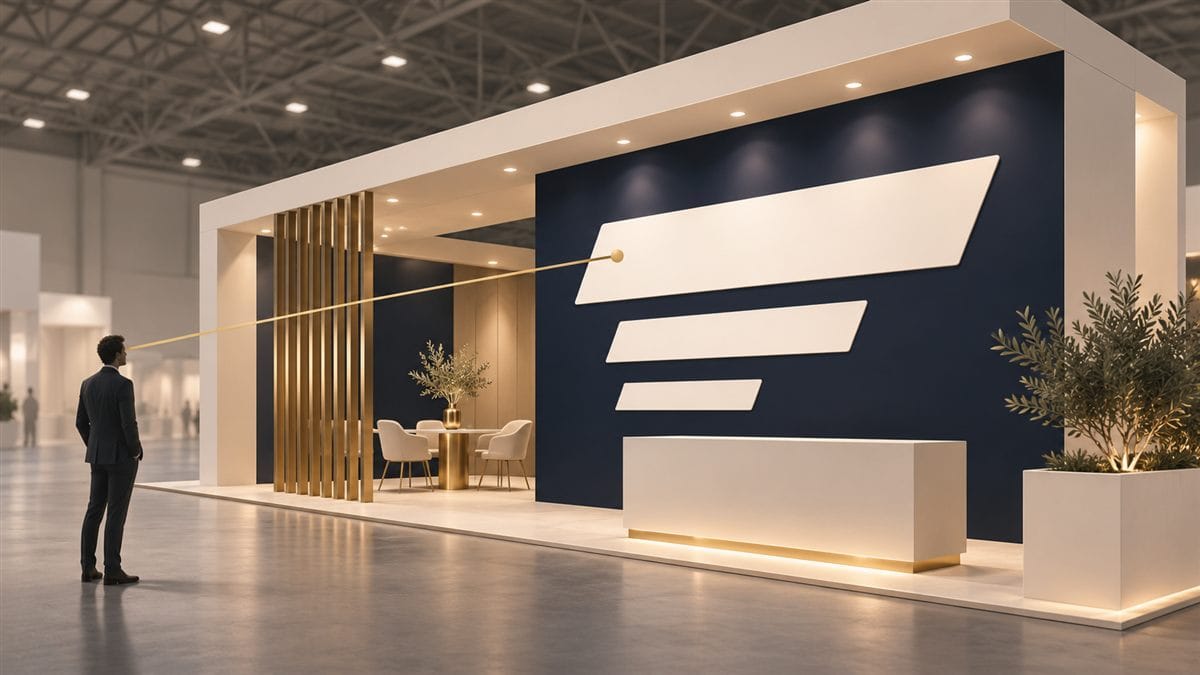
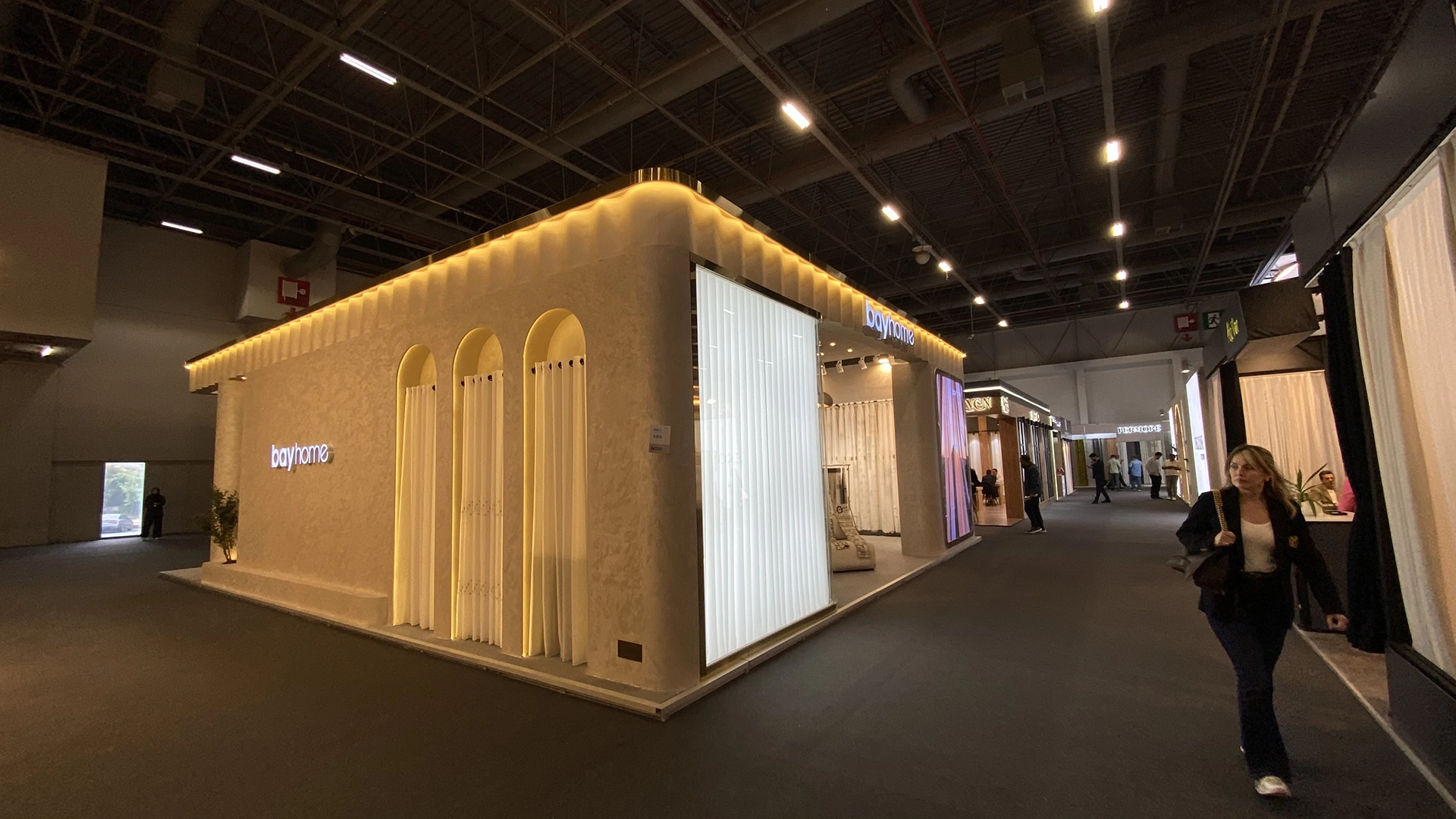
The first view from the aisle should show the offer and the products clearly. Position reception so that staff can welcome visitors without blocking access. A demonstration, sample or concise product explanation should answer a real customer question rather than creating a queue that hides the display.
Plan where a longer conversation can continue and how a colleague joins it. Keep storage and staff movements from interrupting that space. These operational choices belong in the stand design brief, alongside the visual identity.
Use a short discovery conversation
Start with the visitor’s interest, then ask enough to choose a helpful next action. Useful questions include:
- Which product or application brought you to the stand?
- What are you trying to change or achieve?
- Which detail would help you assess whether this solution fits?
- Is there a relevant project or decision date?
- What would you like us to send or arrange after the fair?
Use these as prompts, not a compulsory script. A technical specialist may need to join the discussion; the person greeting the visitor should not invent an answer to complete a form.
Capture the minimum useful context
Record the agreed contact details, company where relevant, product or need discussed, the promised action, timing and the colleague responsible. Add a brief factual conversation note. Keep a request for technical information distinct from an active quotation request; this avoids sending every contact the same response.
Explain why you are collecting the information and how you intend to respond. Respect the visitor’s communication preferences and your organisation’s data-handling process. Avoid collecting unnecessary personal details or putting contact data into public analytics events. A lead record and an anonymous count of stand interactions serve different purposes.
Test the handoff before the fair
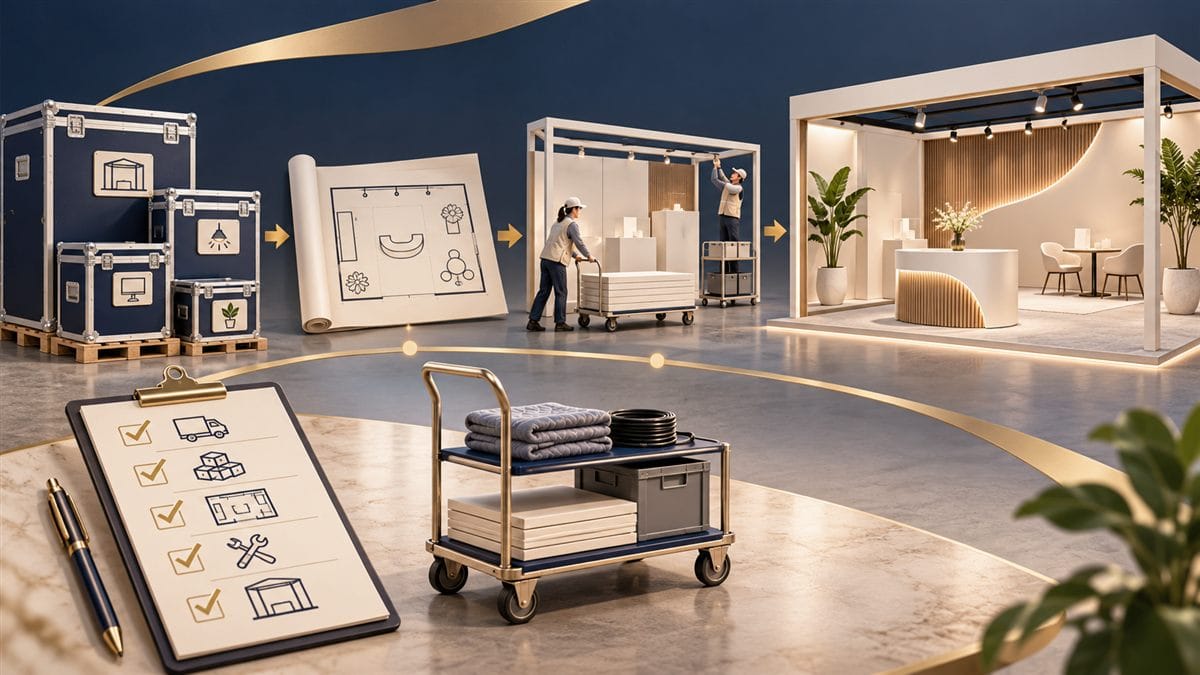
Run a practice conversation and transfer a test record through the intended process. Check whether the receiving colleague can understand the need and take the promised action without asking the visitor to repeat everything. Arrange a secure fallback if the capture system is unavailable, then reconcile those notes to avoid duplicate contacts.
At the end of each day, check for missing owners, unclear promises and duplicate records. Use the post-trade show follow-up plan to organise delivery of those promises. When planning the physical space, tell our team how your visitors will engage with your products.