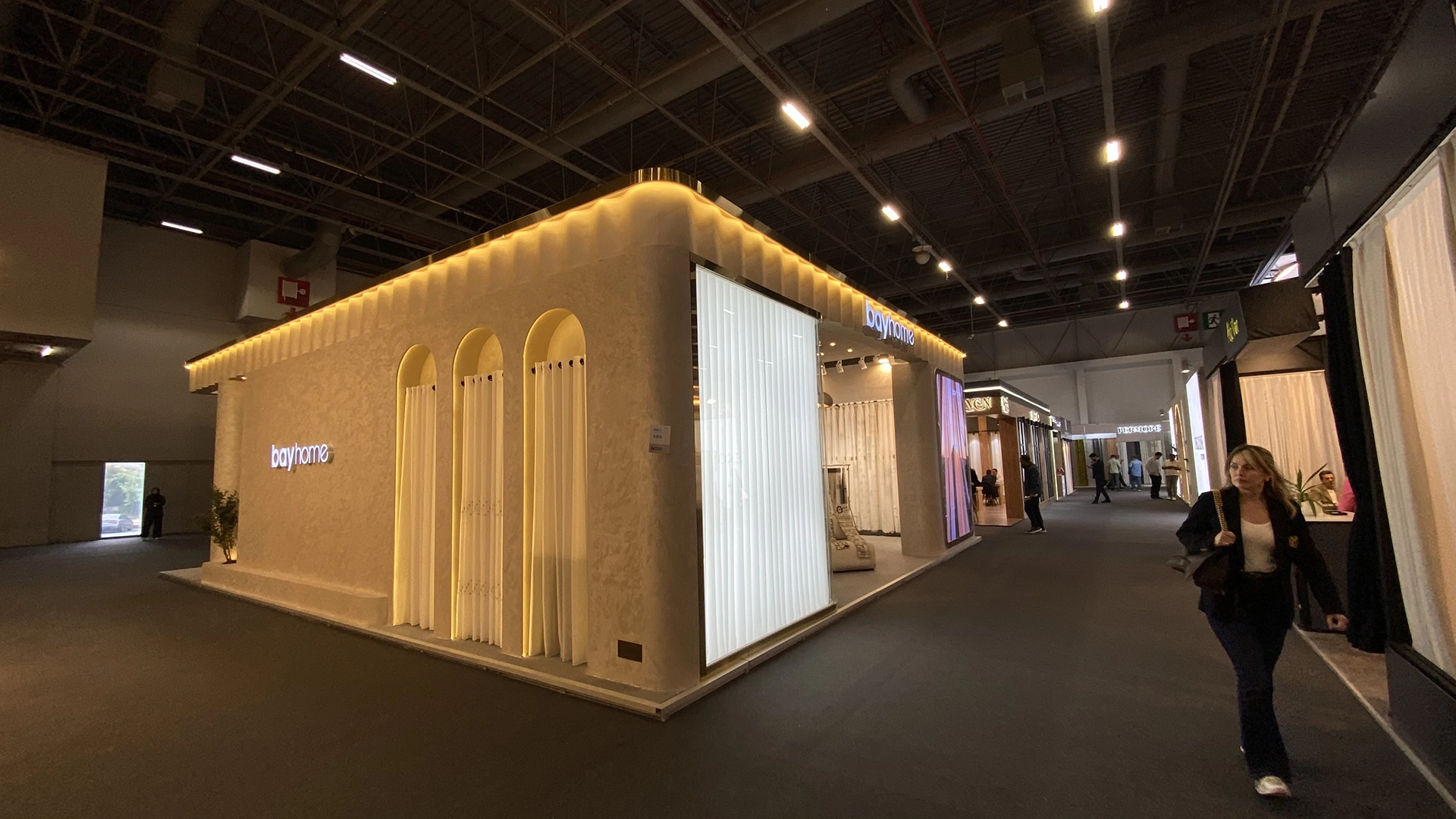
exhibition stand lighting
Exhibition Stand Lighting: A Practical Plan for Products and Brand
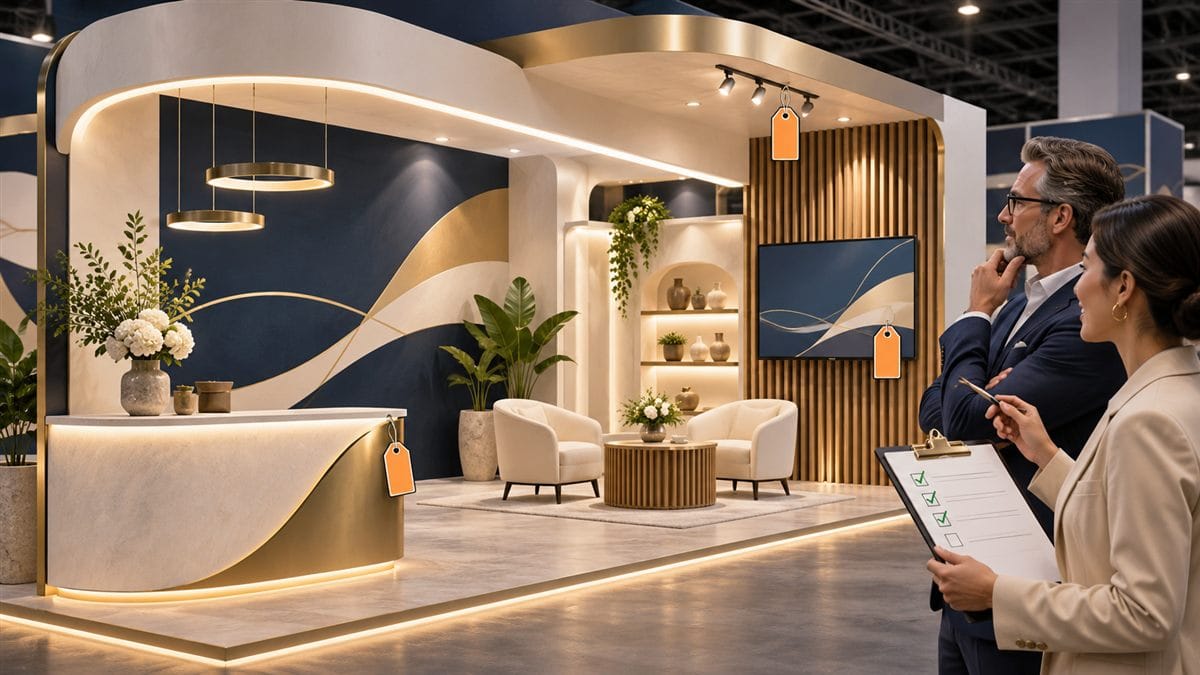
Exhibition stand lighting should help a visitor recognise the brand, inspect the product and hold a comfortable conversation. A bright stand is not automatically a useful one: reflected light can hide a finish, a spotlight can cast the presenter into shadow, and a decorative strip can compete with the product it is meant to support.
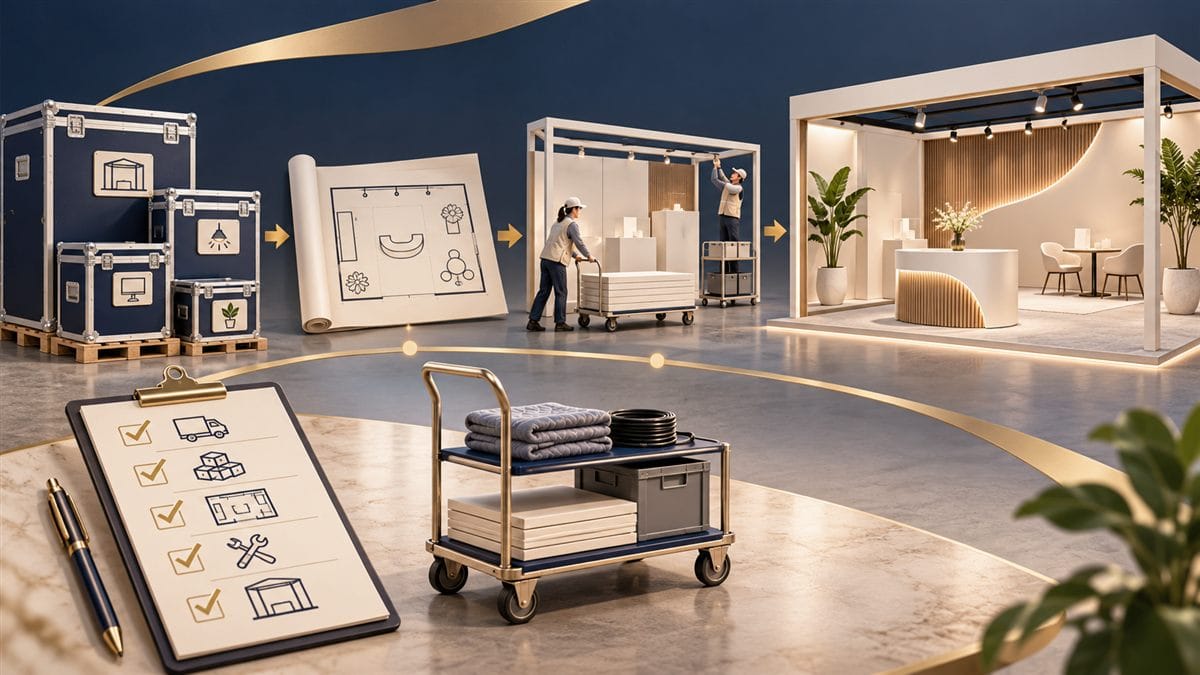
Begin with the products, surfaces and activities rather than a catalogue of fittings. Mark them on the stand plan, agree what each light needs to achieve, then coordinate the layout with the electrical and installation teams. The following checks turn that brief into a practical lighting discussion.
Separate orientation, product and task lighting
General lighting helps people understand the space and move between its functions. Product lighting directs attention to a display, demonstration or material sample. Task lighting supports work at a reception counter, sample table or meeting area. These roles may share fittings, but they should not be treated as a single request to “make the stand brighter”.
- On a textile stand, distinguish a collection wall from the table where a buyer compares samples.
- On a machinery stand, consider the operator’s position as well as the equipment’s visible surfaces.
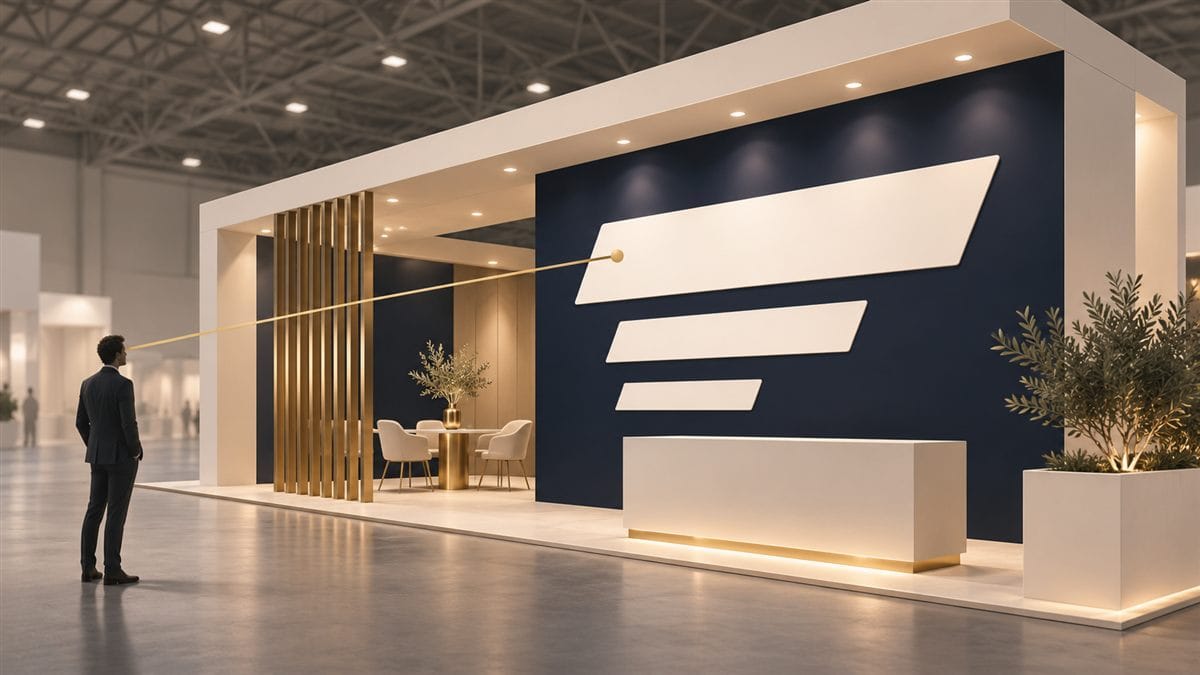
- At a reception desk, check the face of the person greeting visitors, not only the illuminated logo behind them.
Identify the main viewing direction for each zone. A product that looks clear from the aisle may need a different approach when a visitor stands close to it.
Test colour and finish with the actual product
Do not approve a lighting effect solely from a screen image. Bring a representative textile, printed graphic, painted panel or metal finish into the review. Compare it under the proposed fitting and ask whether its colour and texture remain understandable. Discuss colour rendering and colour temperature with the lighting supplier in relation to that material; a single specification is not a substitute for a sample check.
Keep neighbouring display zones consistent when visitors are comparing products. If decorative coloured light is part of the brand concept, check whether it changes the appearance of products or spills onto a sample table. Record the approved fitting and setting so a replacement on site does not create an unintended mismatch.
Review glare, shadows and screens from real positions
Look at the display from the aisle, from a seated meeting position and from the place where a demonstration will happen. Glossy packaging, glass, polished metal and screens can reflect sources that are barely noticeable in the perspective drawing. Change the position, direction or shielding of a fitting with the responsible designer rather than compensating by simply adding more light.
Check where a person will stand during a demonstration. Their body should not consistently block the useful light or throw a shadow over the product. Test screens with the content that will actually play; a bright promotional video and a detailed product interface have different viewing needs.
Coordinate the lighting plan with the electrical scope
The technical team needs a fitting schedule, locations, connection requirements and any control or dimming needs. Provide the other electrical loads too: displays, demonstration equipment, catering equipment and charging points should not be missing from the overall brief. Qualified electrical personnel must determine the installation and load arrangements under the venue’s current rules.
Distinguish the stand’s internal lighting and electrical installation from the organiser’s supply connection and service charges. Zana’s turnkey scope covers the agreed design, production, installation and dismantling work. Space rental and organiser orders—including electricity, water, compressed air, internet and rigging-point charges—are excluded and paid by the exhibitor. Our team can support the ordering and technical coordination process.
Read a completed stand as a lighting reference
The Bayhome HOMETEX 2026 project shows a wave-shaped facade, product display areas and integrated lighting within one stand concept. Use the photographs to discuss which architectural surfaces should be emphasised and where visitors inspect products. They illustrate a completed project, not a universal lighting specification for a different stand.
Use a focused handover checklist
- Are the intended products and labels visible from the agreed viewing positions?
- Do reflective surfaces or screens show distracting glare?
- Can staff use counters and sample tables without blocking the light?
- Do the installed fittings and control settings match the approved schedule?
- Are access, maintenance and the contact for an on-site fault clear?
Carry out this check with the stand set up for use, including the products, graphics and screens. Photograph agreed settings and record any outstanding items before handover.
Prepare a lighting brief for your exhibition
Share your stand plan, product photographs, surface samples, screen positions and venue technical manual. Explain where buyers will compare products and where your team will demonstrate or meet. Explore our custom exhibition stand design service or request a proposal for your stand with the lighting requirements included in the same project brief.